

As global trade becomes more dependent on cross-border logistics and international suppliers, businesses are increasingly exposed to geopolitical risks. Disruptions in one region can quickly affect sourcing, production, and delivery across multiple markets.
For businesses, the impact goes beyond operational delays. Rising costs, unpredictable supply chains, and extended payment cycles create financial pressure that affects stability and growth.
This blog explains how global conflicts influence trade, supply chains, and cash flow, and why businesses must adopt proactive strategies to manage risk and maintain financial stability.
Key Takeaways
- Global conflicts create a cascading impact that links trade disruptions, supply chain breakdowns, and cash flow pressure
- Slower movement of goods leads to production delays, inventory imbalance, and missed delivery commitments
- Rising logistics, fuel, and sourcing costs directly reduce margins and increase operational risk
- Payment cycles become unpredictable, creating gaps between incoming revenue and ongoing expenses
- Cash flow disruption becomes the most critical risk, even for businesses with strong sales
- Operational and financial functions are interconnected, requiring a unified approach to risk management
- Short-term disruptions often lead to long-term structural changes in sourcing and supply chain strategy
- Businesses that prioritize resilience over efficiency are better equipped to handle uncertainty
- Strong visibility, diversified sourcing, and financial planning are essential for stability
- Access to working capital solutions helps businesses maintain continuity during disruptions
What Are Global Conflicts?
Global conflicts are geopolitical disruptions such as wars, economic sanctions, trade restrictions, and regional instability that affect international trade, financial systems, and cross-border business operations.
Global conflicts disrupt the movement of goods, increase operational costs, and create uncertainty across supply chains and financial systems. These disruptions directly affect how businesses source materials, manage production, and maintain cash flow.
In a connected global economy, countries depend on each other for raw materials, manufacturing, and logistics. When conflict impacts one region, it can interrupt supply and demand across multiple industries.
As a result, even localized conflicts can lead to broader economic challenges, including reduced trade activity, supply shortages, and financial instability for businesses.
How Global Conflicts Impact the Global Economy and Businesses
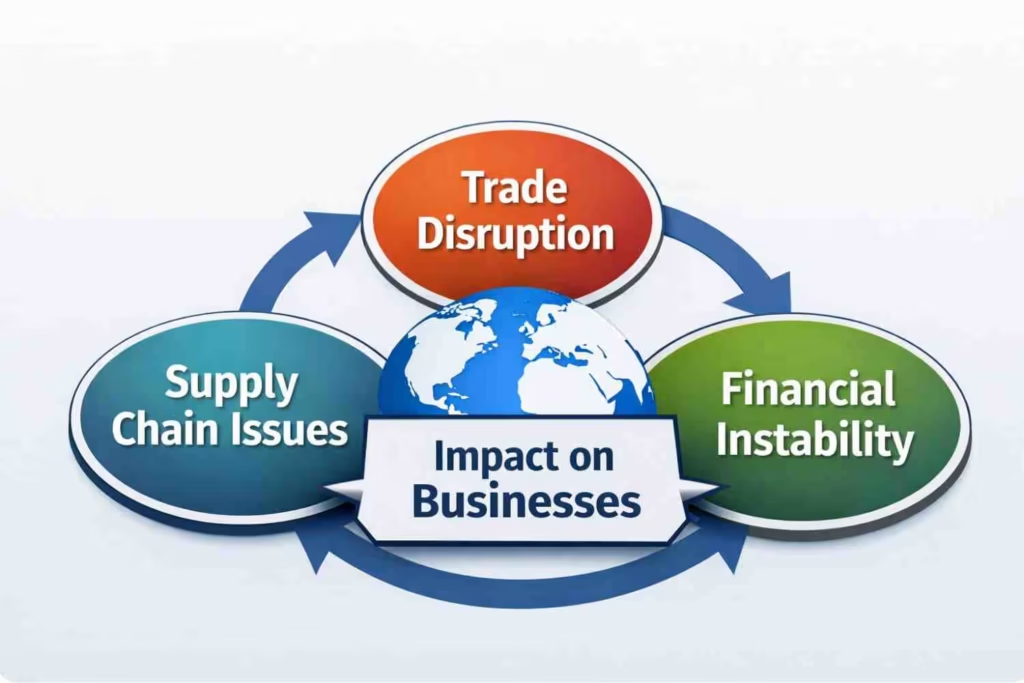
Global conflicts impact the global economy by disrupting the flow of goods, increasing costs, and creating uncertainty in financial systems. For businesses, this results in delayed operations, higher expenses, and unstable cash flow.
These impacts are not isolated. They affect multiple parts of the economy at the same time and create a chain effect across industries.
The impact can be understood through three key areas:
- Trade disruption – Restrictions on routes, sanctions, and delays reduce the movement of goods
- Supply chain disruption – Shortages of raw materials and delays in production affect business operations
- Financial instability – Rising costs, currency fluctuations, and delayed payments increase financial pressure
When trade slows down, supply chains are affected. When supply chains are disrupted, businesses face delays, increased costs, and reduced efficiency. This directly affects revenue cycles and cash flow.
Businesses that depend on global sourcing, manufacturing, or logistics are more vulnerable to these disruptions. Even a short-term conflict can lead to long-term operational and financial challenges if not managed properly.
Key Economic Impacts Businesses Should Understand
Global conflicts do not affect businesses in a single dimension. They influence multiple economic factors at the same time, increasing operational risk and financial pressure.
The most critical impacts include:
1. Disruption of International Trade
Conflicts restrict trade through sanctions, route blockages, and regulatory changes, slowing the movement of goods across regions. As a result, businesses experience delays in shipments, limited access to suppliers and markets, and increased complexity in managing logistics.
2. Commodity Price Fluctuations
Geopolitical instability affects the supply of oil, gas, and essential raw materials, leading to price volatility. This increases fuel and transportation costs, raises production expenses, and reduces pricing flexibility for businesses.
3. Supply Chain Disruptions
Conflicts interrupt the availability of materials and components required for production. This leads to delays in manufacturing, greater dependence on alternative suppliers, and higher procurement costs, making operations less predictable.
4. Financial Instability
Economic uncertainty during conflicts results in currency fluctuations, inflation, and delayed payments. This creates unpredictable cost structures, puts pressure on working capital, and increases overall financial risk.
These impacts are interconnected. Trade disruptions slow down supply chains, supply chain inefficiencies increase costs, and rising costs directly affect cash flow. Businesses that rely on global operations are more exposed to these combined risks.
Short-Term vs Long-Term Economic Effects
Global conflicts impact businesses in two ways. Some effects are immediate and disrupt daily operations, while others develop over time and change how businesses operate.
Short-Term vs Long-Term Impact
| Short-Term Effects | Long-Term Effects |
| Disruption in trade routes and logistics | Shift in global trade patterns and partnerships |
| Sudden increase in fuel, transportation, and procurement costs | Increased focus on supplier diversification |
| Delays in production, shipments, and order fulfillment | Redesign of supply chain and sourcing strategies |
| Immediate pressure on cash flow and working capital | Long-term investment in risk management and resilience |
Businesses that focus only on short-term disruptions often face repeated challenges, while those that adapt to long-term changes build stronger and more resilient operations.
Why This Matters for Businesses
Global conflicts directly affect how businesses operate, manage costs, and maintain financial stability. The impact is not limited to one function. It affects operations, supply chains, and cash flow at the same time.
Businesses face increasing pressure due to:
- Rising operational and logistics costs
- Unpredictable supply chains and delays
- Disruptions in revenue cycles and payments
- Increased strain on working capital
These challenges make it difficult to plan, deliver, and grow consistently. Businesses that depend on global sourcing, manufacturing, or logistics are more exposed to these risks.
In an uncertain environment, stability depends on how quickly a business can respond to disruptions. Companies that improve supply chain visibility, diversify sourcing, and strengthen financial planning are better positioned to reduce risk.
Understanding these impacts helps businesses move from reactive decisions to proactive strategies, ensuring continuity and long-term stability.
How Global Conflicts Disrupt Global Trade
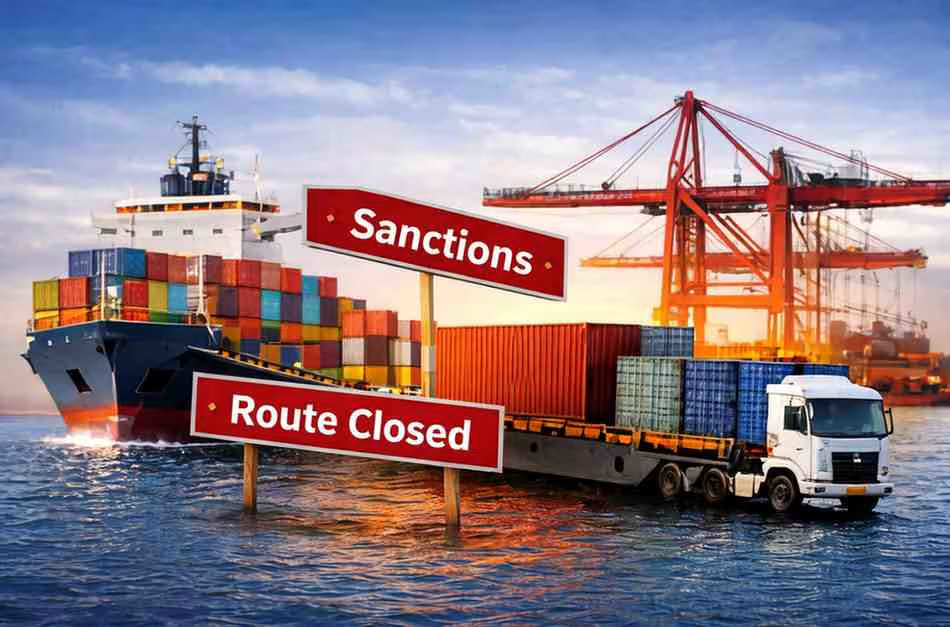
Global trade depends on stable routes, predictable regulations, and uninterrupted movement of goods. Global conflicts disrupt these systems, making trade slower, more expensive, and less reliable.
Key Trade Disruptions
1. Disruption of Trade Routes
Conflicts can block or restrict major shipping routes such as canals, straits, and regional corridors. This forces shipments to take longer alternative routes.
Business impact:
- Increased transit time
- Higher fuel and transportation costs
- Unpredictable delivery schedules
2. Sanctions and Trade Restrictions
Governments impose sanctions and trade restrictions during geopolitical conflicts. These limit imports, exports, and access to certain markets.
Business impact:
- Loss of suppliers or customers
- Reduced market access
- Increased regulatory and compliance challenges
3. Rising Transportation and Insurance Costs
Conflict zones increase risk for shipping and logistics providers. This raises freight rates and insurance premiums.
Business impact:
- Higher logistics expenses
- Increased cost per shipment
- Pressure on overall margins
4. Decline in Trade Efficiency
Disruptions reduce the speed and reliability of global trade networks.
Business impact:
- Delays in order fulfillment
- Reduced inventory availability
- Loss of business opportunities
Global trade disruptions create a direct impact on supply chains and business operations. When goods do not move efficiently, production slows down, costs increase, and financial pressure builds.
How Global Conflicts Disrupt Supply Chains
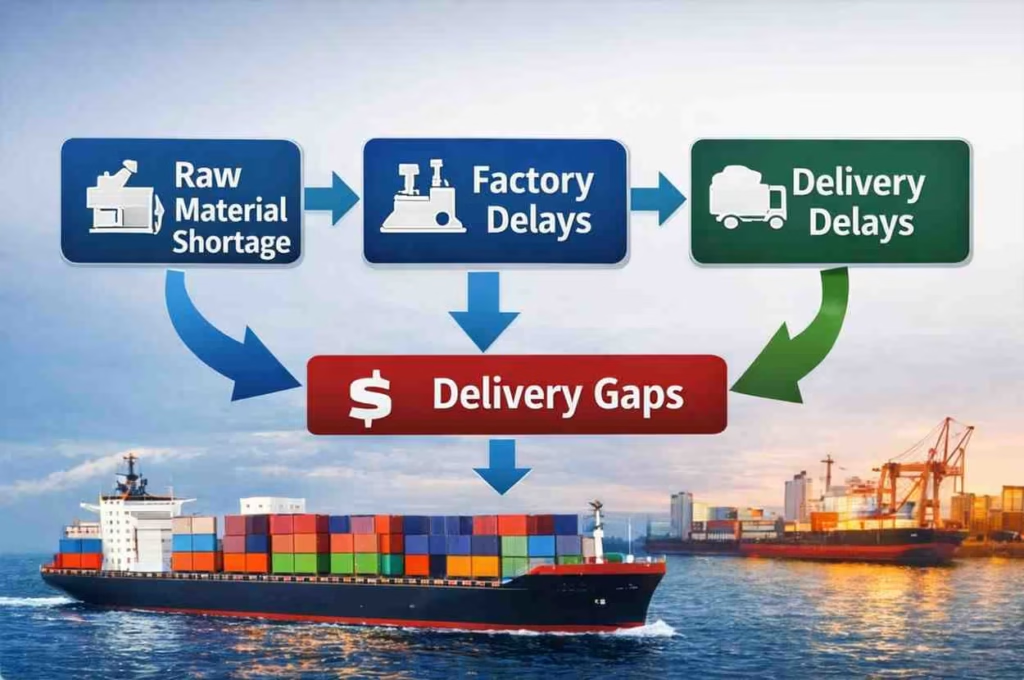
Global supply chains depend on consistent access to raw materials, stable production, and reliable transportation. Global conflicts disrupt these elements, causing delays, shortages, and increased costs across the entire chain.
Key Supply Chain Disruptions
1. Raw Material Shortages
Conflicts in key regions can limit access to essential raw materials and components.
Business impact:
- Reduced production capacity
- Increased cost of sourcing alternatives
- Dependency on limited suppliers
2. Manufacturing and Production Delays
Factories may slow down or stop operations due to resource shortages, energy disruptions, or workforce challenges.
Business impact:
- Missed production deadlines
- Lower output
- Delayed product availability
3. Logistics and Transportation Bottlenecks
Conflicts can create congestion at ports, restrict routes, and reduce carrier availability.
Business impact:
- Delayed shipments
- Increased storage and handling costs
- Reduced supply chain efficiency
4. Supplier Network Disruptions
Businesses relying on specific regions or single suppliers face higher risk when conflicts occur.
Business impact:
- Sudden supplier unavailability
- Need for rapid supplier replacement
- Increased procurement complexity
Supply chain disruptions create a ripple effect across industries. Delays in one part of the chain affect production, delivery, and overall business performance.
How Global Conflicts Affect Business Cash Flow
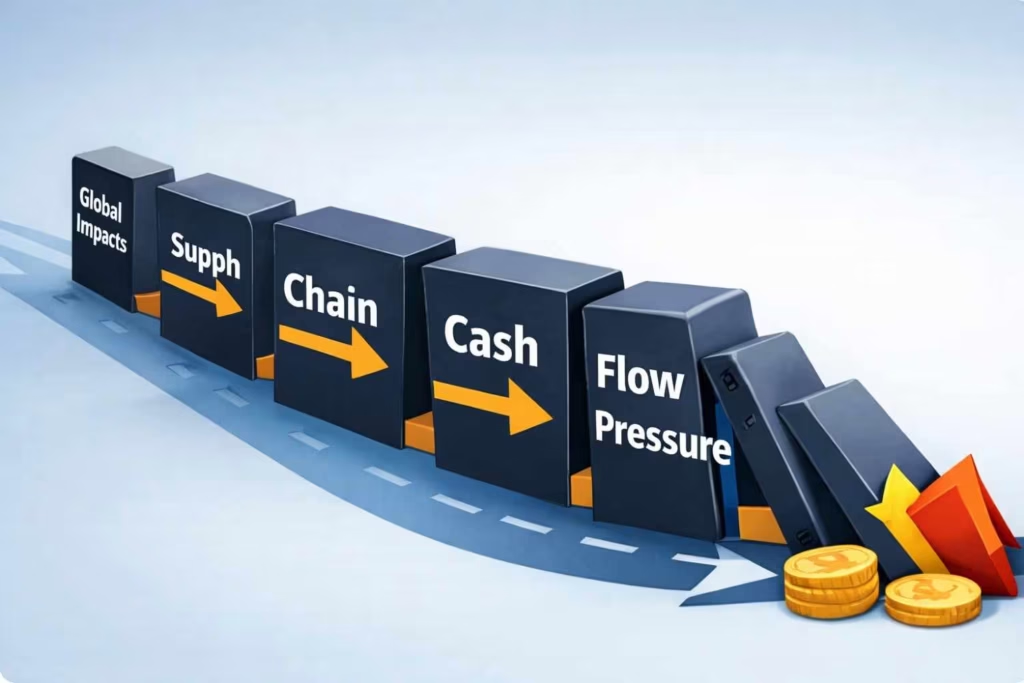
Global conflicts do not only disrupt operations. They directly impact how money flows in and out of a business. Delays in trade and supply chains create financial pressure that affects liquidity and stability.
Key Cash Flow Challenges
1. Delayed Payments and Extended Cycles
When shipments are delayed or operations slow down, customers often delay payments.
Business impact:
- Increased accounts receivable
- Slower cash inflow
- Longer payment cycles
2. Rising Operational Costs
Conflicts increase costs related to logistics, raw materials, and compliance.
Business impact:
- Reduced profit margins
- Higher upfront expenses
- Increased financial pressure
3. Cash Flow Gaps and Liquidity Pressure
Businesses often face a gap between outgoing expenses and incoming revenue.
Business impact:
- Difficulty paying suppliers and employees
- Limited ability to invest or scale
- Dependence on external financing
4. Working Capital Gets Locked
Cash becomes tied up in operational processes instead of being available for use.
Where cash gets locked:
- Inventory delayed in transit
- Unpaid or overdue invoices
- Unsold or slow-moving goods
Cash flow disruption is the most critical risk during global conflicts. Even profitable businesses can face financial instability if cash is delayed while expenses continue.
How Trade, Supply Chains, and Cash Flow Are Connected

Trade, supply chains, and cash flow operate as a connected system. A disruption in one area directly affects the others.
When global conflicts disrupt trade, the movement of goods slows down. This impacts supply chains, which depend on timely delivery of materials and products. As supply chains become unstable, production delays and inventory issues arise.
These operational delays directly affect cash flow. Payments are delayed while expenses such as logistics, procurement, and salaries continue.
This creates a clear connection. Trade disruption leads to supply chain inefficiency, and supply chain inefficiency leads to cash flow pressure.
Business Impact
- Reduced revenue predictability
- Increased operational costs
- Pressure on working capital
Why This Connection Matters
Businesses that treat trade, supply chains, and finance separately struggle during disruptions. Managing them as a connected system helps improve decision-making, maintain stability, and reduce risk.
Real-World Examples of Global Conflict Impact
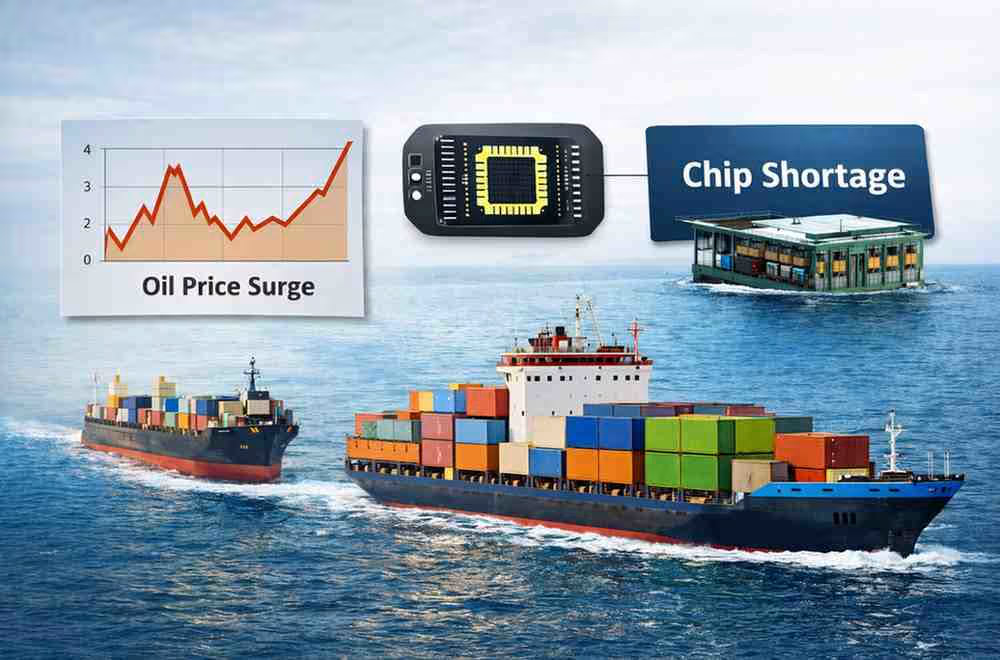
Global conflicts show how quickly disruptions spread across trade, supply chains, and business cash flow. Even localized tensions can create global operational and financial pressure.
1. Energy Price Volatility
Conflicts in energy-producing regions often cause sharp increases in oil and gas prices. This directly raises transportation, manufacturing, and overall operating costs across industries.
2. Semiconductor Supply Disruptions
Geopolitical tensions have disrupted semiconductor supply, affecting industries that depend on electronic components. This leads to production slowdowns, limited product availability, and increased input costs.
3. Shipping Route Disruptions
Conflicts in key maritime regions force shipments to reroute, increasing transit time and uncertainty. This makes delivery schedules less reliable and adds pressure to logistics planning.
4. Port Congestion and Logistics Delays
Instability in global trade environments can lead to congestion at major ports. This slows down cargo movement, increases storage costs, and reduces overall supply chain efficiency.
How Businesses Can Reduce Risk During Global Conflicts
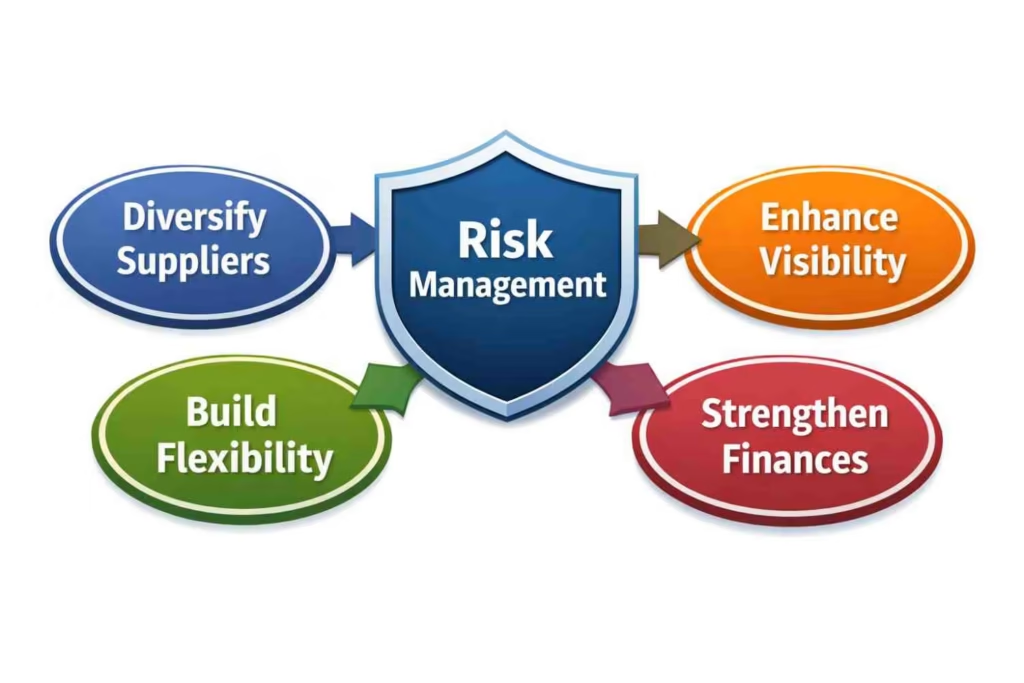
Global conflicts cannot be controlled, but their impact can be managed. Businesses that focus on flexibility, visibility, and financial preparedness are better equipped to handle disruptions.
1. Diversify Suppliers and Sourcing
Relying on a single supplier or region increases risk. Businesses should build a diversified supplier network across multiple regions to ensure continuity.
2. Improve Supply Chain Visibility
Real-time visibility helps businesses track shipments, identify delays early, and respond faster to disruptions. This improves decision-making and reduces uncertainty.
3. Build Flexible Operations
Businesses need adaptable systems that can respond quickly to changes in supply, demand, and logistics conditions.
4. Strengthen Financial Planning
Maintaining cash reserves, forecasting risks, and controlling costs help businesses stay stable during uncertain periods.
5. Optimize Working Capital
Efficient management of receivables, payables, and inventory reduces financial pressure and improves cash flow stability.
Businesses that prioritize resilience over short-term efficiency are better positioned to maintain operations and reduce risk during global disruptions.
How Businesses Can Maintain Cash Flow During Global Disruptions
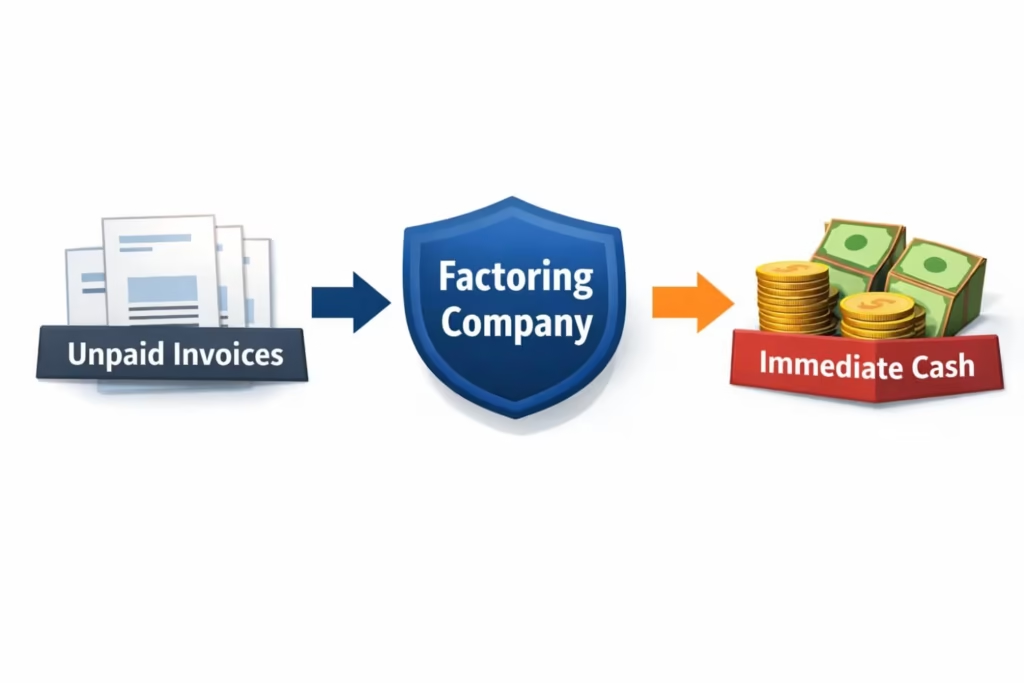
During global conflicts, the biggest challenge for businesses is maintaining stable cash flow. Delayed payments, rising costs, and longer transaction cycles create financial pressure that can disrupt operations.
One of the most effective ways to manage this challenge is through invoice factoring.
What Is Invoice Factoring?
Invoice factoring allows businesses to convert unpaid invoices into immediate cash by selling them to a factoring provider. Instead of waiting for payment cycles, businesses can access funds quickly and maintain liquidity.
How Invoice Factoring Supports Cash Flow
Immediate Access to Funds
Businesses can unlock cash tied up in receivables and use it to cover operational expenses without delay.
Reduced Impact of Payment Delays
Factoring minimizes dependency on customer payment timelines, ensuring a more predictable cash inflow.
Improved Operational Stability
With consistent cash flow, businesses can continue paying suppliers, managing production, and meeting obligations even during disruptions.
Ability to Adapt and Grow
Access to working capital allows businesses to respond to market changes, secure alternative suppliers, and maintain competitiveness.
Why It Matters During Global Conflicts
Global conflicts increase uncertainty in both operations and payments. Invoice factoring helps reduce this uncertainty by ensuring continuous access to working capital, making it easier to manage expenses and maintain business continuity.
Businesses that adopt financial strategies like factoring are better positioned to handle disruptions, reduce risk, and maintain stability in uncertain global conditions.
Conclusion
Global conflicts have become a major factor influencing trade, supply chains, and business cash flow. As disruptions spread across these areas, businesses face both operational challenges and financial pressure.
Trade disruptions slow the movement of goods. Supply chains become unstable due to delays and shortages. As a result, cash flow is affected through delayed payments and rising costs. This interconnected impact makes risk management more complex.
To navigate this environment, businesses need to focus on resilience. Diversified sourcing, improved supply chain visibility, and strong financial planning are essential for maintaining stability.
Maintaining consistent cash flow is critical during uncertain conditions. Solutions like invoice factoring help businesses manage delays, meet obligations, and continue operations without disruption.
Businesses that understand these risks and take proactive steps are better positioned to manage uncertainty and achieve long-term stability.
About FactorAvenue
In a global environment where trade disruptions, supply chain delays, and payment uncertainty affect cash flow, businesses need stronger financial control and visibility.
FactorAvenue is an enterprise-grade invoice factoring software platform designed to streamline receivables, risk assessment, and funding operations. With over 18 years of expertise, it supports high-volume transactions with accuracy, speed, and automation.
The platform processes more than 50,000 invoices daily and supports over $100M in transaction volume, helping businesses operate at scale without added complexity. Its automated workflows accelerate invoice verification and funding, improving access to working capital during uncertain conditions.
Trusted by 200+ factoring companies and thousands of businesses across industries, FactorAvenue enables efficient portfolio management while maintaining operational efficiency. Built on secure, cloud-based infrastructure with SOC 2, ISO 27001, and GDPR compliance, it ensures reliability and data protection.
By improving cash flow visibility and reducing funding delays, FactorAvenue helps businesses maintain stability and make better financial decisions during global disruptions.
Frequently Asked Questions
How do global conflicts affect international trade?
Global conflicts disrupt trade by restricting shipping routes, imposing sanctions, and increasing transportation risks. This leads to delays, reduced trade efficiency, and higher costs for businesses.
How do global conflicts impact supply chains?
They cause shortages of raw materials, production delays, and logistics disruptions. This makes it difficult for businesses to maintain consistent operations and delivery timelines.
Why do global conflicts increase business costs?
Conflicts increase fuel prices, freight charges, insurance costs, and compliance requirements. These factors raise overall operational expenses.
How do global conflicts affect business cash flow?
They delay customer payments, increase operational costs, and lock working capital in inventory and receivables, creating cash flow gaps.
Which industries are most affected by global conflicts?
Industries such as manufacturing, logistics, energy, automotive, retail, and electronics are highly affected due to their reliance on global supply chains.
What is the biggest risk businesses face during global conflicts?
The biggest risk is cash flow disruption, as it directly affects the ability to manage expenses, operations, and growth.
How can businesses reduce the impact of global conflicts?
Businesses can diversify suppliers, improve supply chain visibility, build flexible operations, and strengthen financial planning.